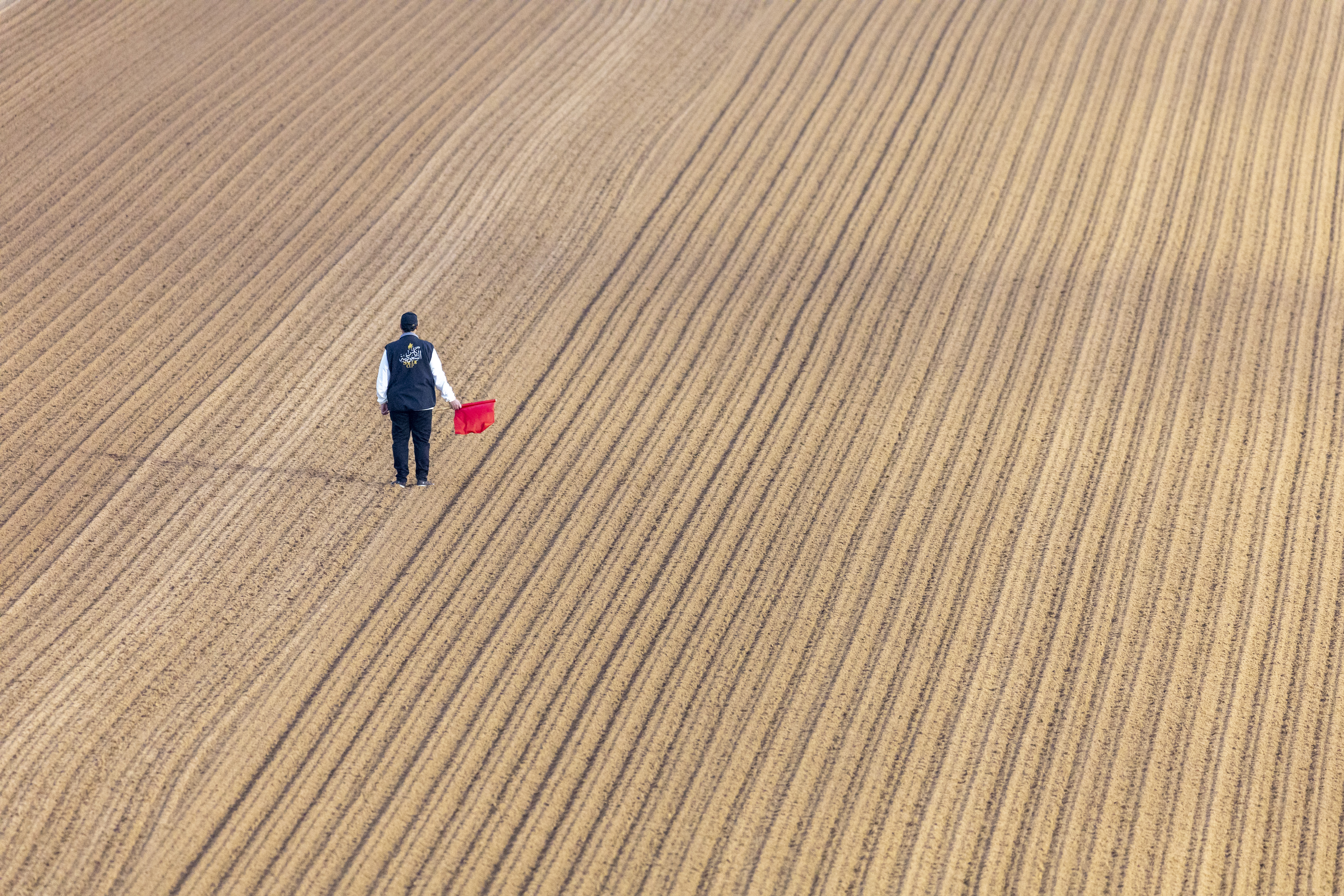
About the Jockey Club of Saudi Arabia

The Jockey Club of Saudi Arabia was established in 1385 AH by Royal Decree issued by King Faisal bin Abdulaziz Al Saud, marking the beginning of a structured institutional phase in the organisation and development of horse racing in the Kingdom.
The Jockey Club of Saudi Arabia is honoured to have the Custodian of the Two Holy Mosques King Salman bin Abdulaziz Al Saud as its Honorary President. It also benefits from the support and close attention of His Royal Highness Prince Mohammed bin Salman bin Abdulaziz Al Saud, Crown Prince and Prime Minister, reflecting the leadership’s longstanding commitment to horse racing, its continued development, and the strengthening of the Kingdom’s standing and presence on the regional and international racing stage.
Over the course of its history, the Club has evolved into the governing body for horse racing in the Kingdom, overseeing race meetings at King Abdulaziz Racecourse in Riyadh and King Khalid Racecourse in Taif. Its role also extends to developing the horse racing ecosystem, advancing technical and organisational standards, and strengthening Saudi racing’s integration with the international horse racing community.
Vision
To achieve global leadership in the organization and development of horse racing, defined by excellence and professionalism.
Mission
To advance the sport of horse racing by creating an innovative, transparent, and empowering environment, supported by advanced technologies and strengthened through impactful local and international partnerships.
Strategic Objectives

Elevating race quality and fostering a highly competitive environment that meets the highest local and international standards.
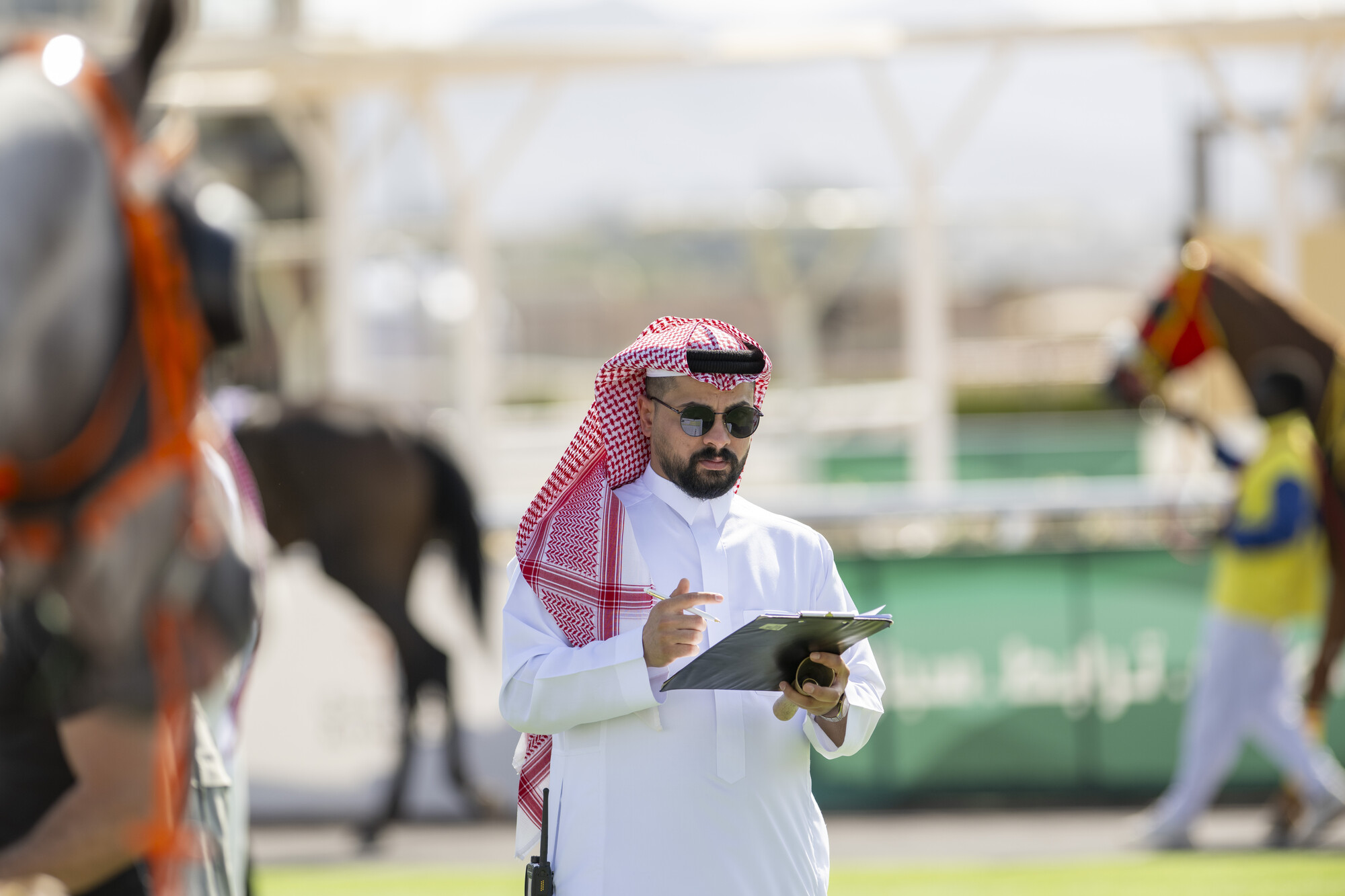
Leadership in horse racing and digital transformation in equestrian management to global standards
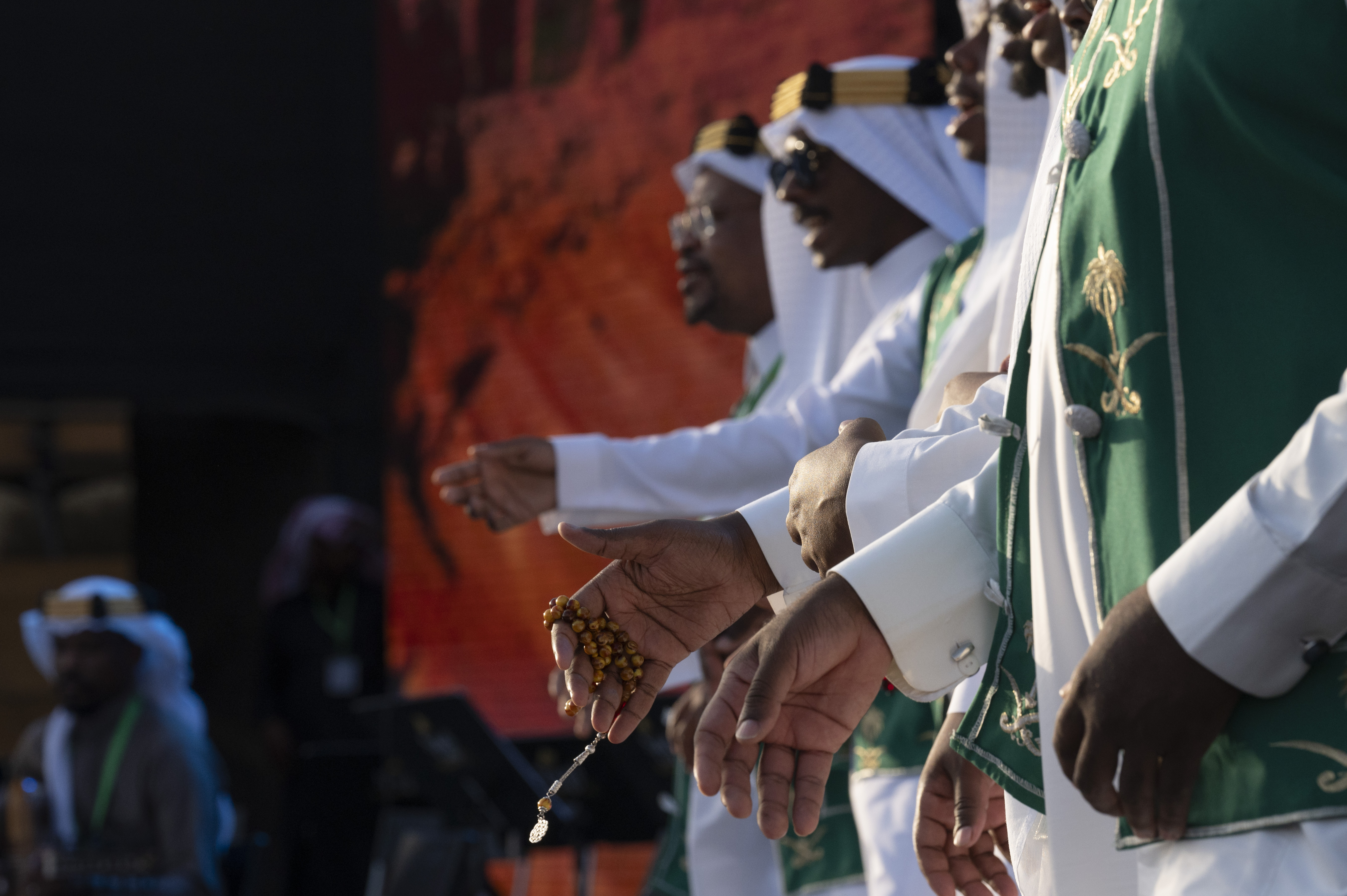
Provide intelligent, data-driven services to enrich user experience
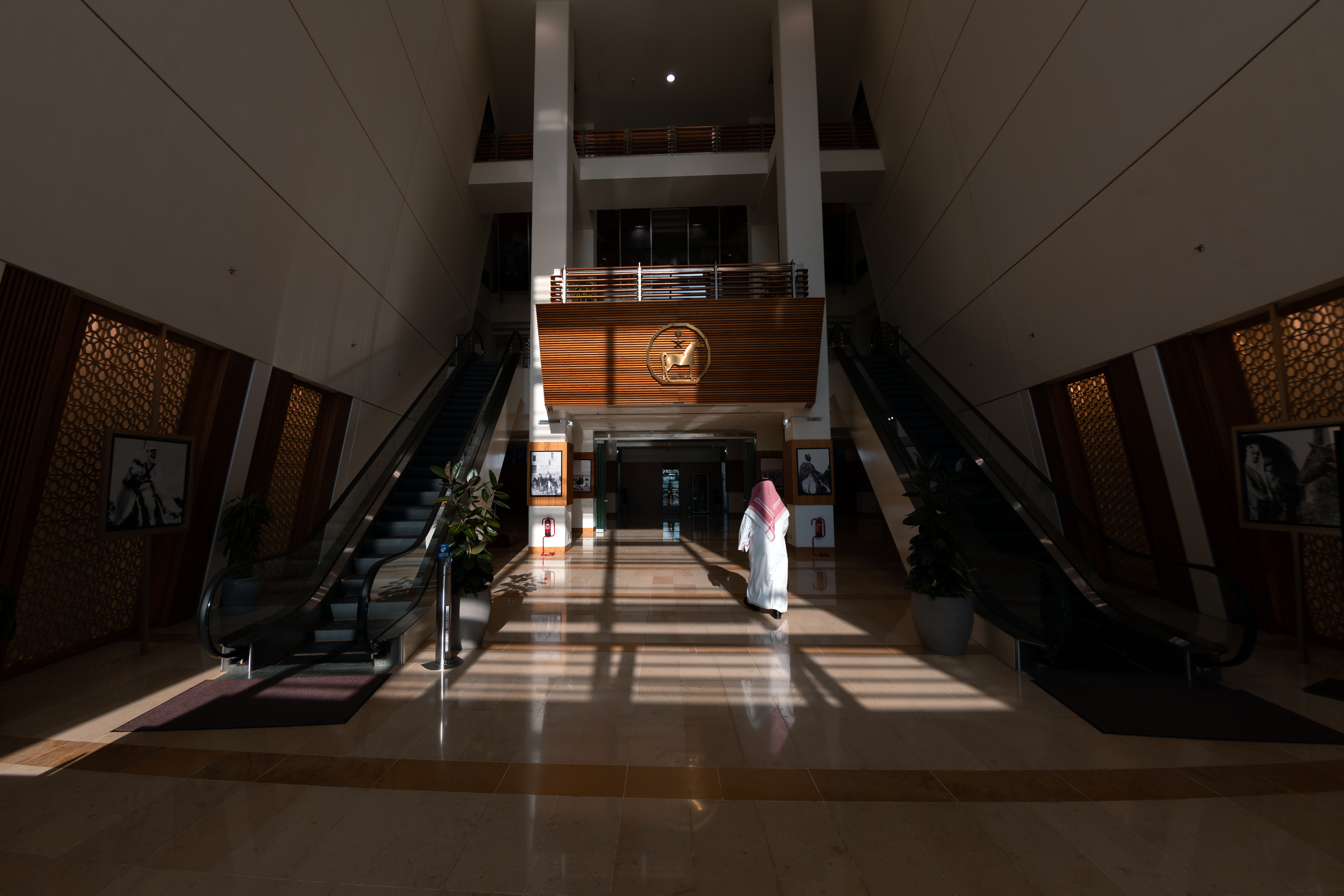
Foster a professional and high-performing work environment

Deepen engagement with equestrian communities locally and internationally
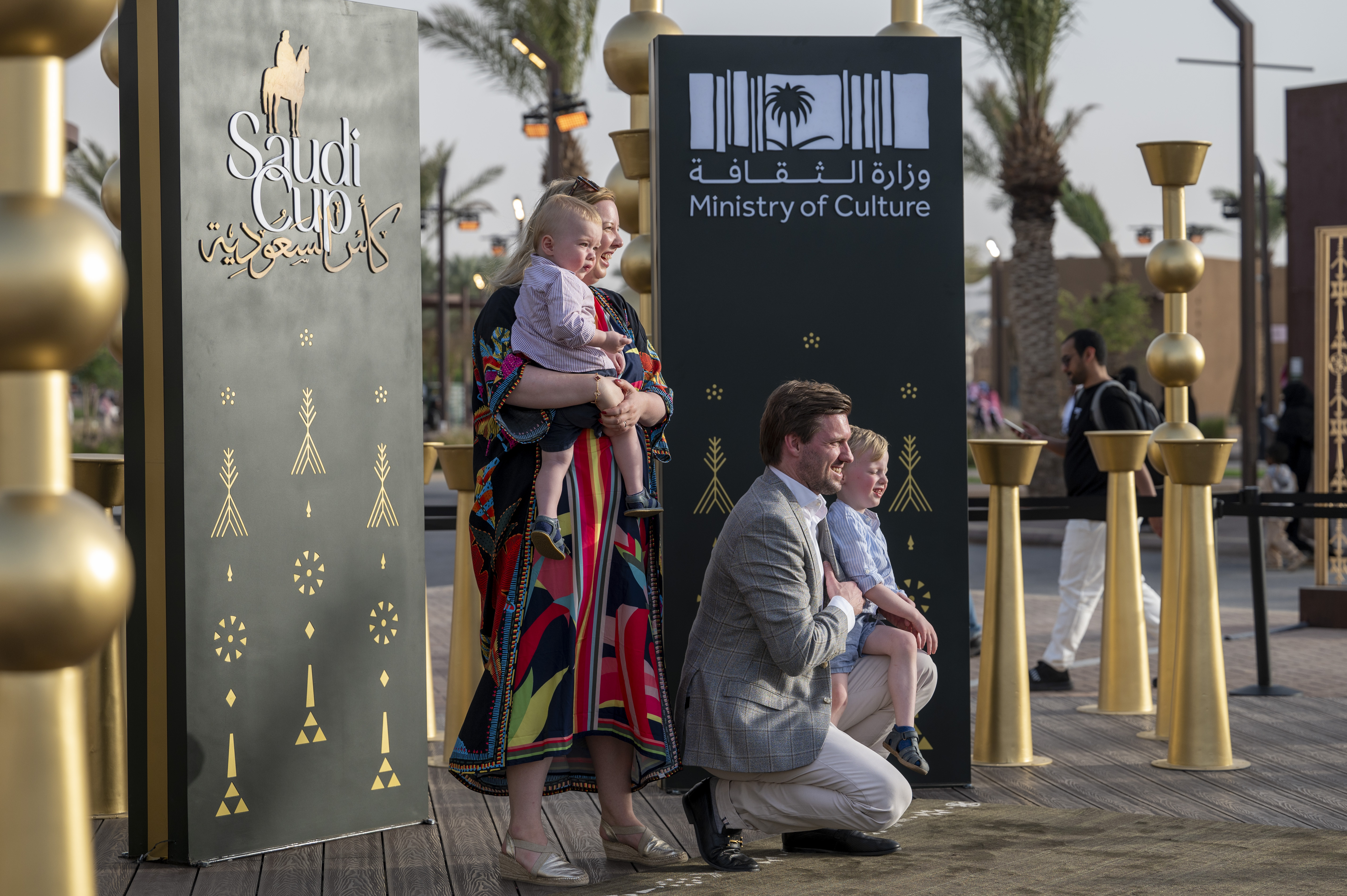
Promote equestrian culture through media and community collaboration